Energy Side-by-Side
eBike vs Tesla Model Y
Both are electric. One moves two tons of car to carry you. The other weighs less than a suitcase — and you help push it.
A Tesla Model Y is one of the most efficient SUVs ever built. On a 20 mph city trip it still draws about 141 Wh per mile from its battery (its EPA rating, which includes highway driving and charging losses, is 280). An eBike on the same trip uses roughly 20 Wh per mile — about 7× less. The reason isn't the motor or the battery. It's mass: the Model Y weighs ~4,400 lb to carry a 170 lb person, while a commuter eBike like the Cannondale Tesoro Neo X 1 weighs ~51 lb — and your own legs supply part of the energy.
Side by side
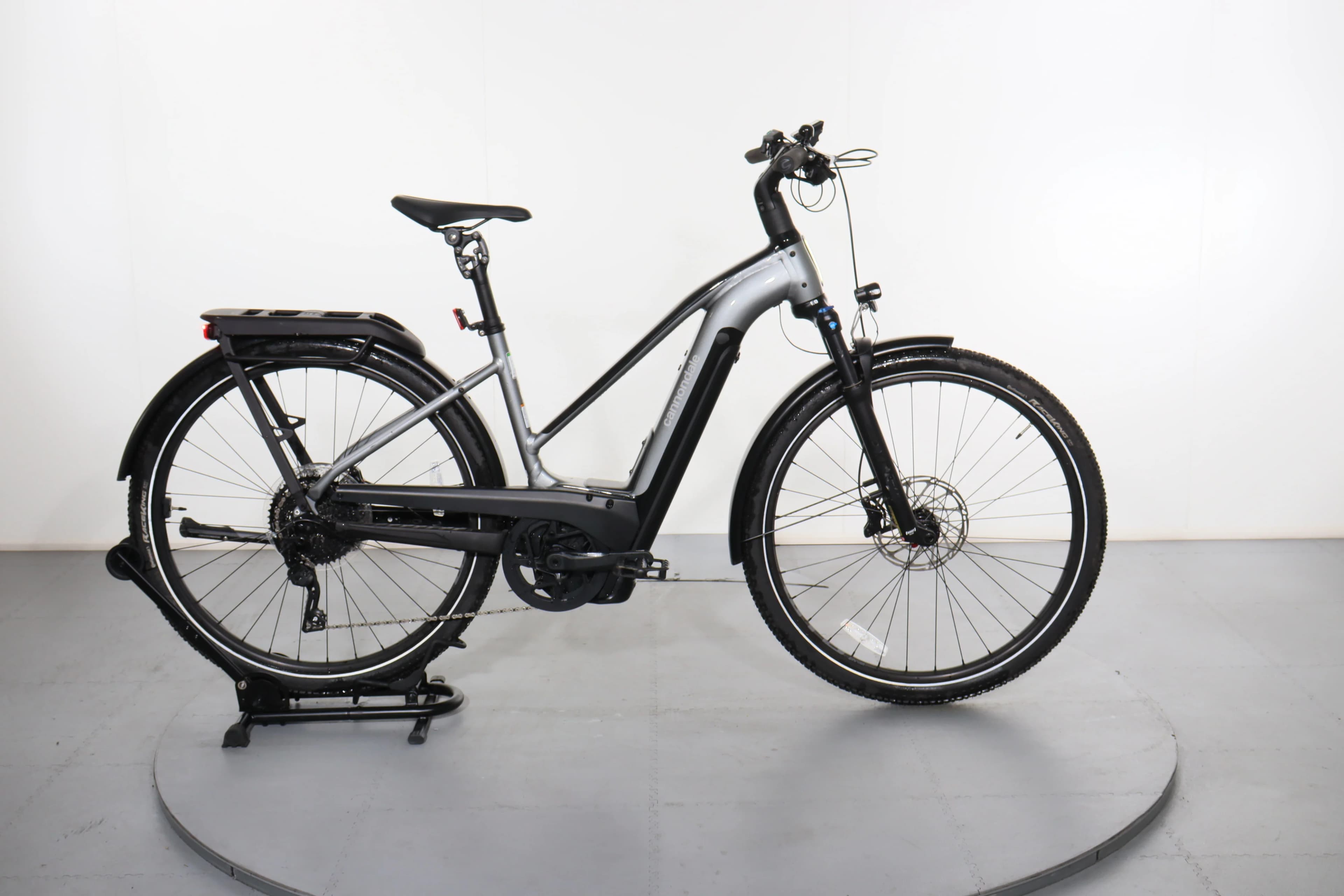
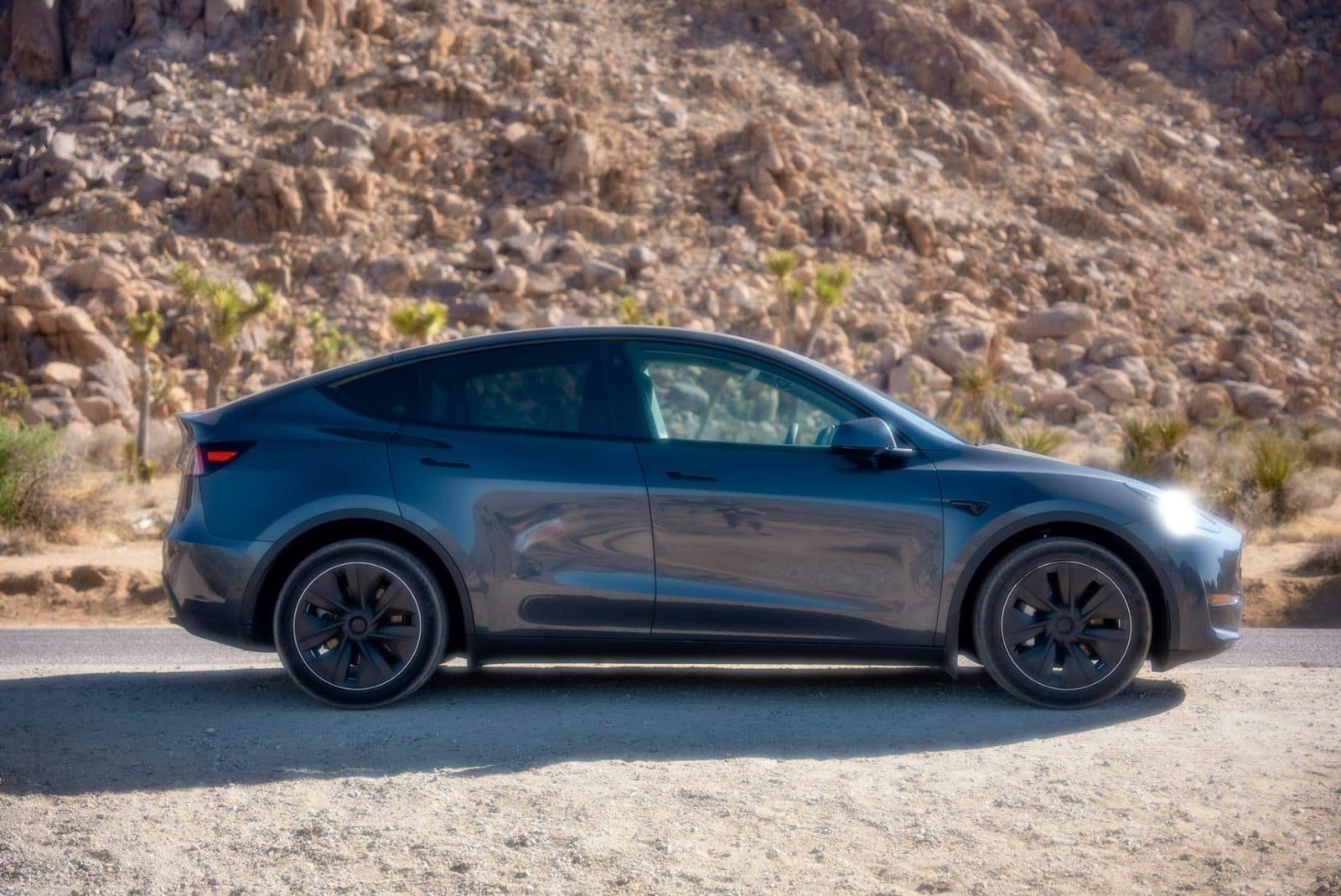
What you're actually moving
Rolling resistance and the energy to get up to speed both scale directly with weight. Every mile in a Model Y, most of that energy goes into moving the car — not you.
To be fair to the Model Y
- •It seats five. With a full car, energy per person drops to roughly a fifth — but the average U.S. car commute carries about 1.1 people.
- •Regenerative braking gets back a good share of each stop's energy. An eBike doesn't need to: with so little mass, getting back up to speed costs under 2 Wh even from 25 mph.
- •For a 60-mile highway trip, a family road trip, or hauling plywood, the Model Y is the right tool. For the short solo trips that make up most driving, it's moving two tons to deliver one person.
Common questions
Isn't a Tesla already “green”?
It's far cleaner than a gas SUV. But every kilowatt-hour still has to be generated, and around town the Model Y needs roughly 7× more of them per mile than an eBike. On the same grid, that's 7× the emissions from charging — before counting the much larger battery and body it takes to build.
How much energy does pedaling actually add?
A relaxed commuter pedals at 75–125 watts. At 20 mph that's 4–6 Wh every mile — about 19–32% of the work of moving the eBike. It's also why eBike riders get real exercise: that work burns roughly 20–30 calories a mile.
What does charging cost?
At $0.17/kWh, a Model Y costs about $4.76 in electricity per 100 miles. An eBike costs about $0.39. A full eBike battery costs about 15 cents to fill. Electricity is the small part of the bill either way: depreciation, insurance and the loan payment are where a car's money goes. See what it costs to own a car, the average new car loan, and how fast an eBike pays for itself.
Sources
- U.S. EPA / DOE, fueleconomy.gov — Tesla Model Y Long Range AWD, 28 kWh/100 mi combined (280 Wh per mile).
- Kelley Blue Book, 2026 Tesla Model Y specs — curb weight 4,061–4,396 lb by trim.
- Upway listing UEO30 — 2023 Cannondale Tesoro Neo X 1: 51 lb, Bosch PowerTube 750 Wh, Bosch Performance Line Speed (85 Nm), Class 3.
- U.S. EIA — average residential electricity price.
- FHWA, National Household Travel Survey — average vehicle occupancy for commute trips.
Keep exploring
Your move
Most trips don't need two tons. See what your own commute looks like on an eBike.
Map your commute →